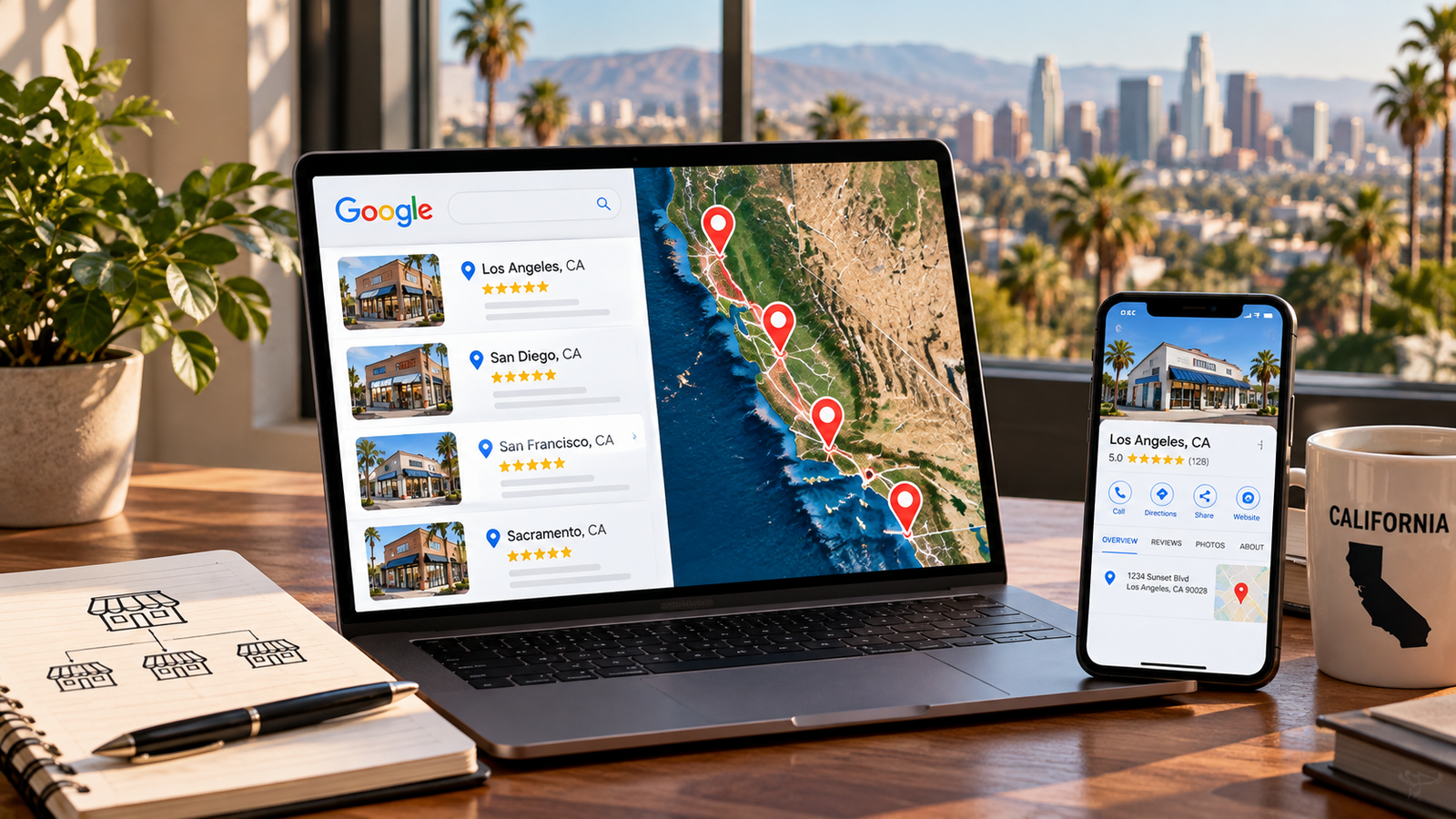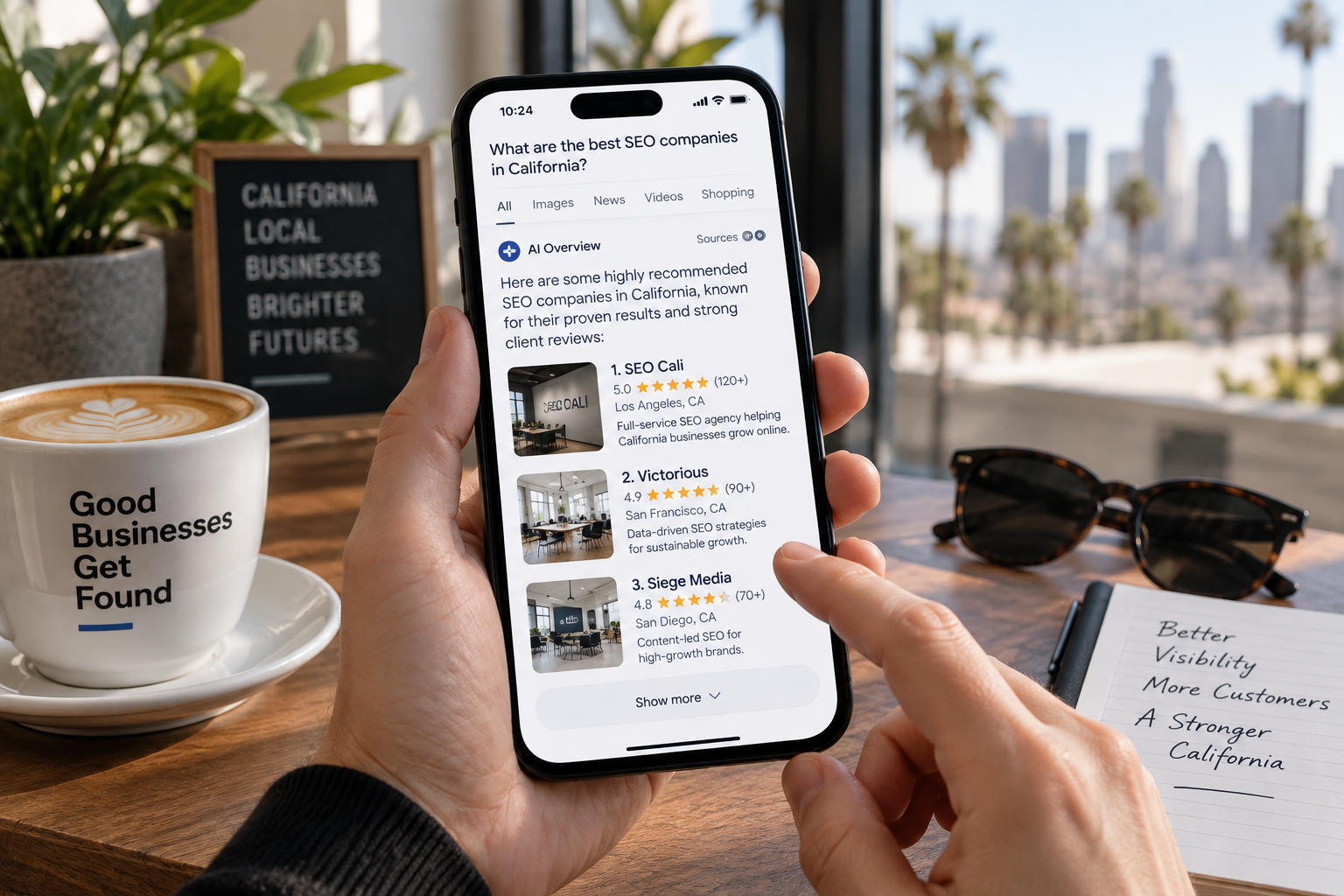


If you’ve been running a business in California for any amount of time, you already know that staying visible on Google isn’t optional — it’s survival. But lately, something has shifted. Your customers aren’t just typing keywords into Google anymore. They’re asking ChatGPT which dentist to visit in Sacramento. They’re asking Perplexity to recommend a personal injury attorney in Los Angeles. They’re letting Gemini decide which San Francisco restaurant to book for a client dinner.
And here’s the uncomfortable truth: if your business isn’t built to show up in those answers, a competitor who is showing up is quietly collecting your leads.
That’s where three terms come in that you’re probably hearing more and more: SEO, AEO, and GEO. They sound similar. They’re not the same. And knowing the difference — and which one your California business actually needs — could be the most valuable thing you read this year.
What Is Traditional SEO (And Is It Still Working)?
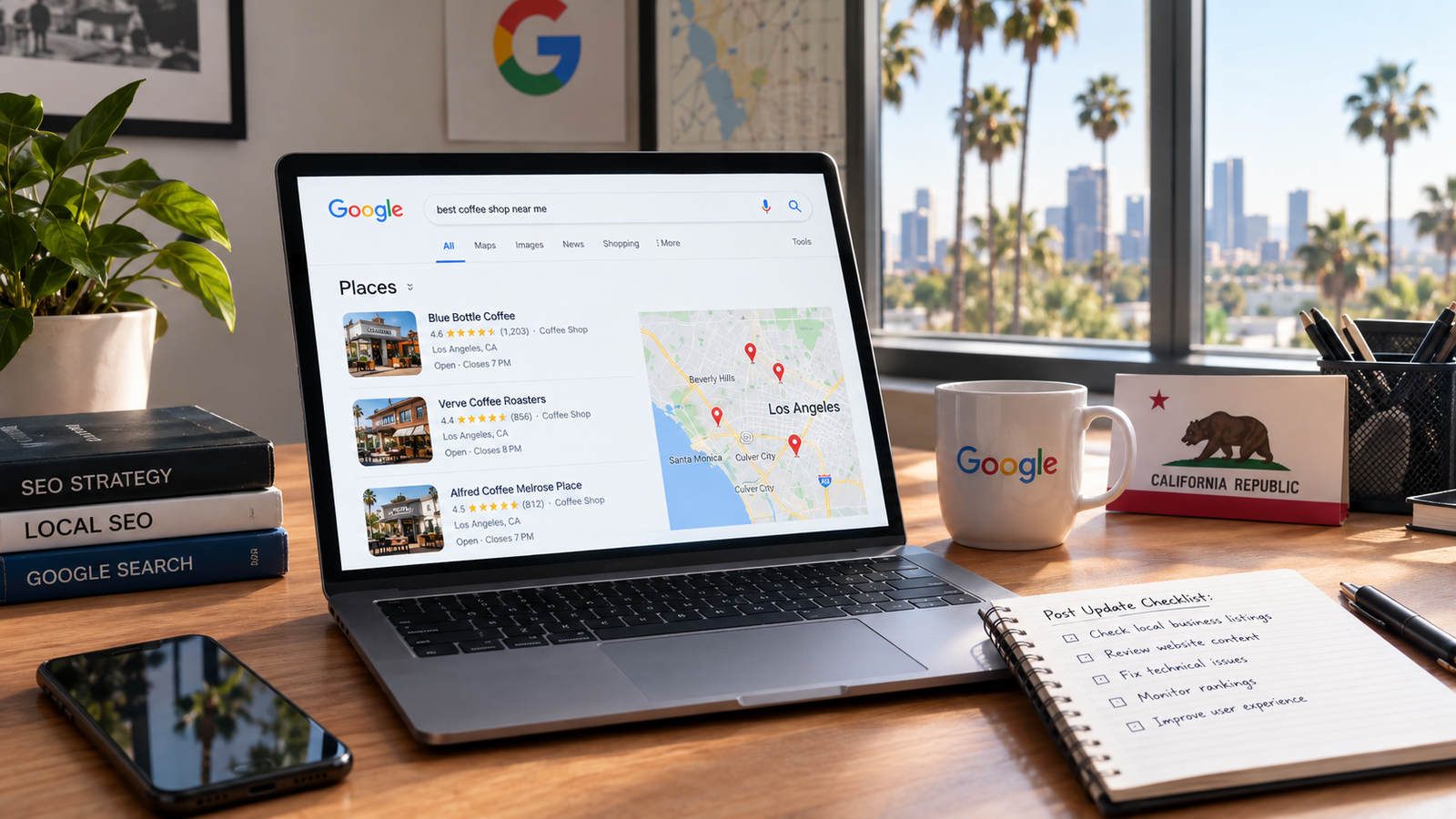
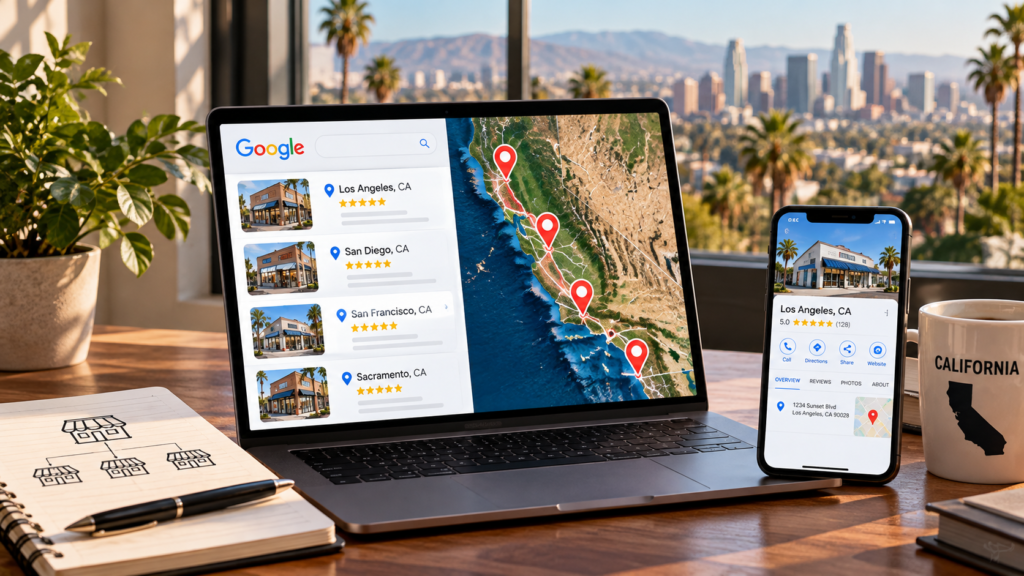
Traditional SEO is the foundation on which everything else is built. It’s the process of making your website rank higher on Google when someone searches for your services. Think title tags, page speed, backlinks, keyword-optimized content, Google Business Profile management, and local citations.
For California businesses, traditional SEO has been the game for the past two decades. Want your San Diego law firm to appear when someone searches “personal injury attorney near me”? That’s traditional SEO doing its job.
And here’s what a lot of people in the marketing world are getting wrong: traditional SEO is not dead. It is still the single most important foundation for any California business that wants long-term, sustainable organic traffic. Google still processes roughly 8.5 billion searches per day. The organic results below the paid ads still capture the majority of clicks for high-intent local searches.
What has changed is that traditional SEO alone is no longer enough.
Google’s search results page in 2026 looks nothing like it did in 2019. Before your potential customer even sees the first organic listing, they scroll past AI Overviews, featured snippets, a local 3-pack, and paid ads. Traditional SEO gets you into the race. But it doesn’t guarantee you cross the finish line alone anymore.
That’s where AEO and GEO enter the picture.
What Is AEO (Answer Engine Optimization)?
AEO stands for Answer Engine Optimization. The name tells you exactly what it does — it optimizes your content to be selected as the direct answer to a question.
You’ve seen this in action every time Google shows a featured snippet at the top of search results, or when a voice assistant reads out an answer without sending you to a website. That’s AEO at work. The content that gets featured there wasn’t chosen by accident. It was structured specifically to be extractable, clear, and authoritative.
For California businesses, AEO matters enormously in certain verticals. Think about how often your potential customers search things like:
- “Do I need a lawyer after a car accident in California?”
- “How much does dental implant surgery cost in Los Angeles?”
- “What’s the best time of year to sell a home in the Bay Area?”
These are question-based searches with high intent. The person asking isn’t browsing — they’re close to making a decision. If your content answers that question directly and clearly, Google (and increasingly, AI tools) will pull it to the top.
AEO is built on a few core principles: structured content with proper FAQ schema markup, concise and direct answers to specific questions, E-E-A-T signals (Experience, Expertise, Authoritativeness, and Trustworthiness), and content that matches exactly how your customers phrase their questions in real life.
The payoff is significant. Research consistently shows that traffic coming from AI-cited sources converts at a much higher rate than standard organic clicks. The person who found your law firm through an AI-generated answer is already pre-qualified — they read an answer that positioned you as the expert before they ever hit your website.
What Is GEO (Generative Engine Optimization)?
GEO — Generative Engine Optimization is the newest layer of the stack and the one California businesses are most behind on.
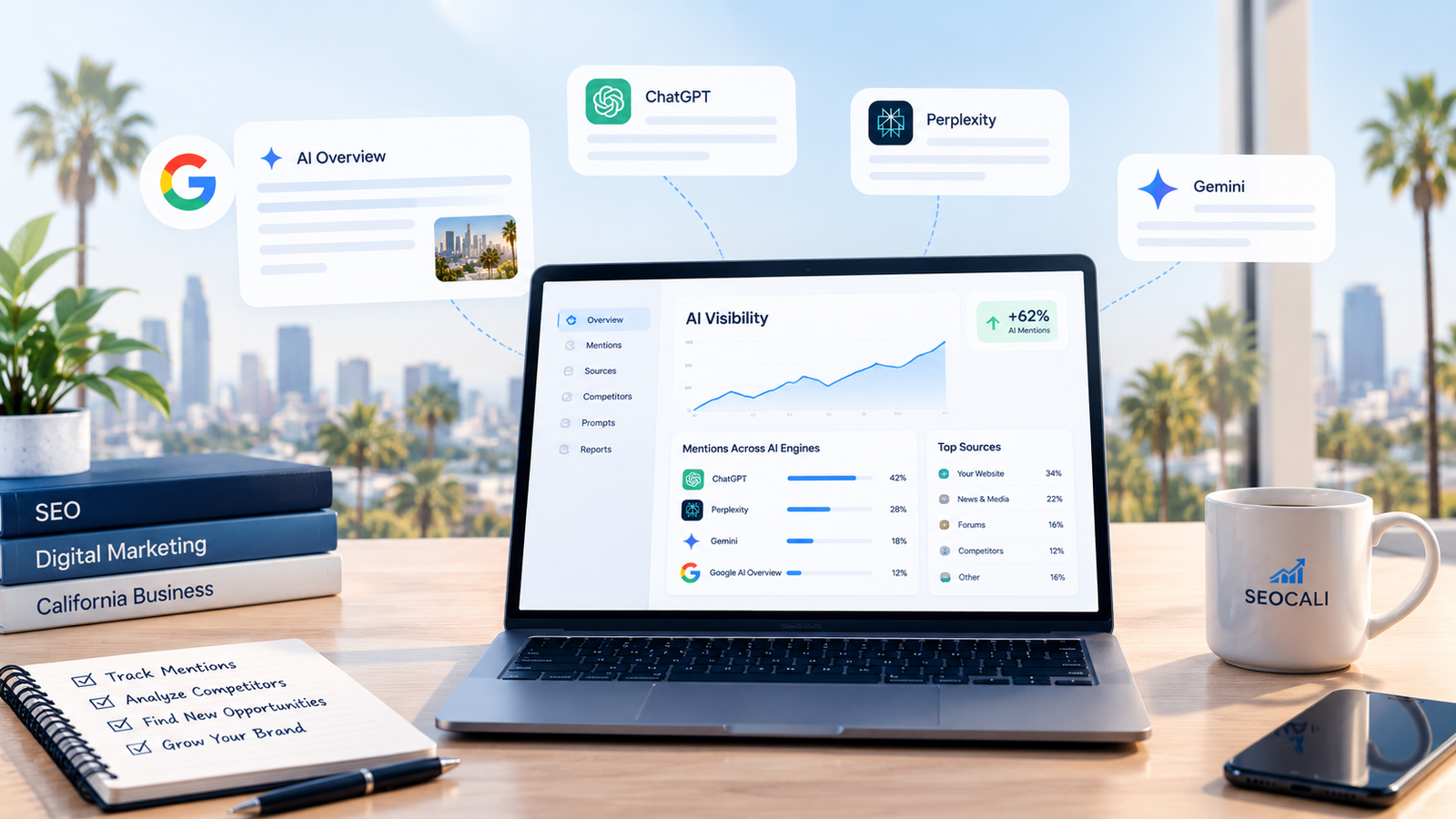
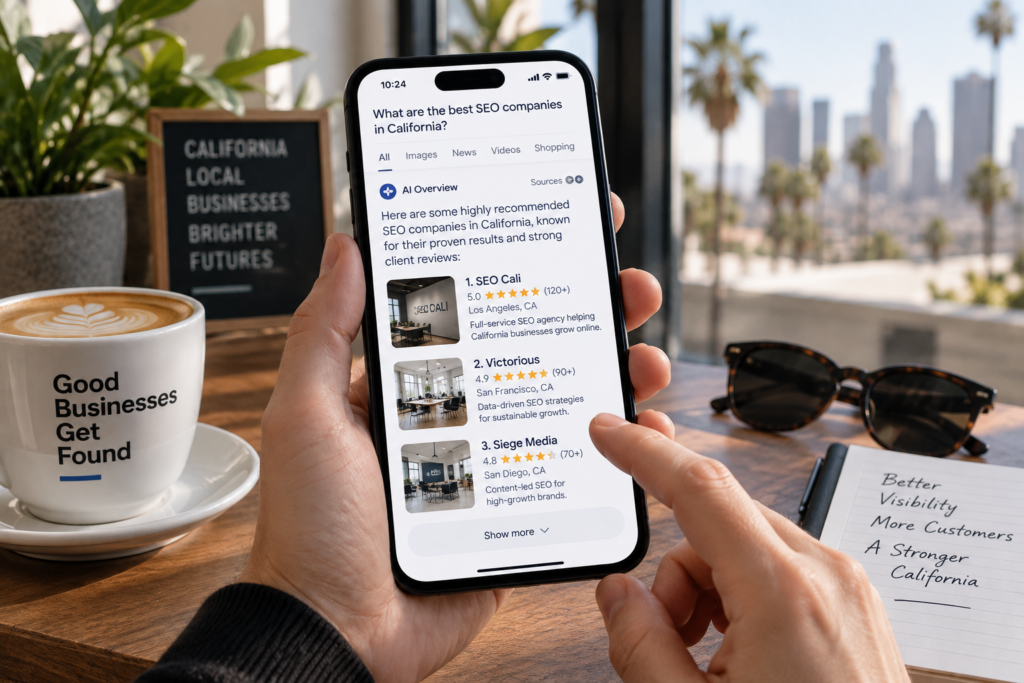
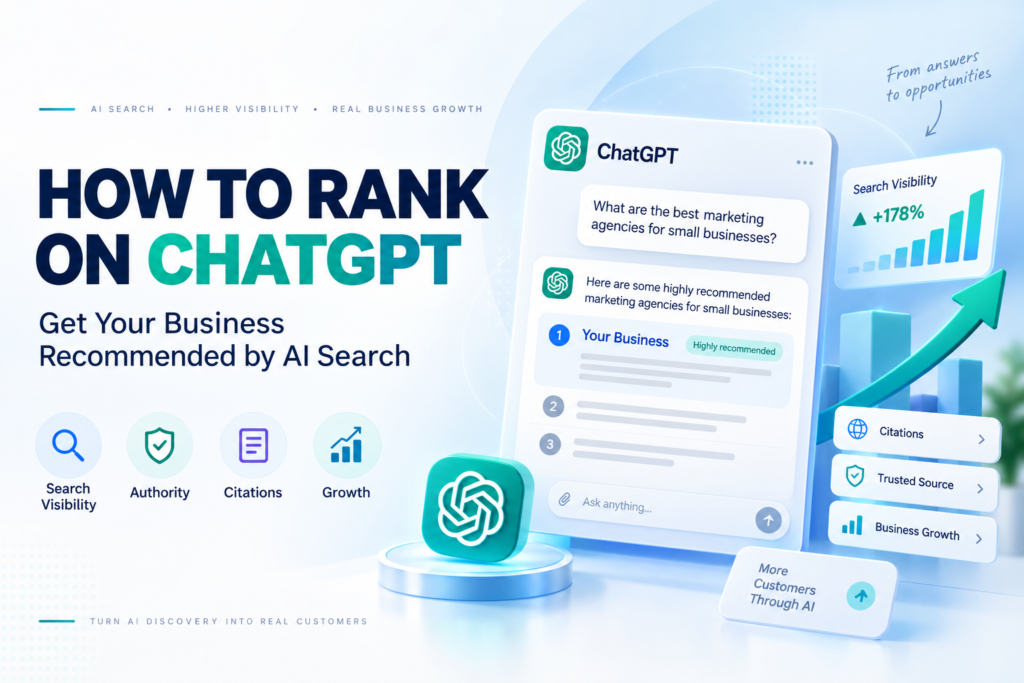
Where traditional SEO gets you ranking on Google and AEO gets you featured as a direct answer, GEO gets your brand recommended inside AI-generated conversations. When someone opens ChatGPT and types “what’s the best SEO agency in San Francisco?” — the results they see aren’t a list of blue links. They’re a synthesized answer, built from sources the AI has learned to trust. GEO is the practice of making sure your business is one of those trusted sources.
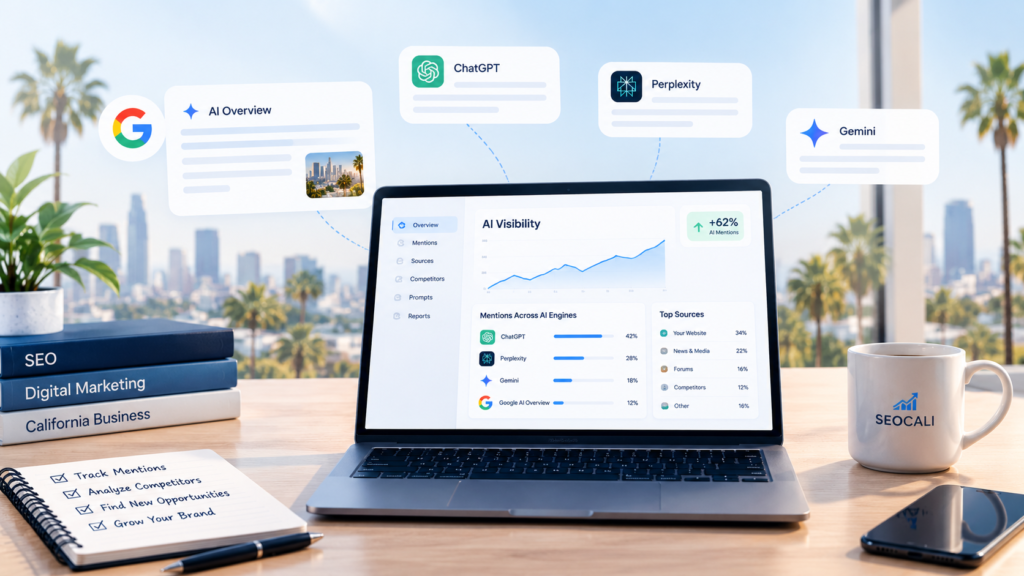
This involves a different set of signals than traditional SEO. AI platforms like ChatGPT, Perplexity, and Google Gemini don’t rank pages — they cite entities. They look for consistent brand mentions across authoritative sources, structured data that clearly identifies who you are and what you do, expert-authored content with verifiable credentials, and a strong presence across multiple platforms (not just your website).
Here’s what makes GEO especially urgent for California businesses right now: most of your competitors haven’t started yet. The window to establish yourself as a trusted entity in your market — before AI systems’ preferences become locked in — is still open. But it won’t be for long.
Think of it like SEO in 2005. The businesses that built strong domain authority early didn’t just rank well they created moats that took competitors a decade to cross. GEO is at that same early stage today.
How SEO, AEO, and GEO Work Together
Here’s the most important thing to understand: these aren’t competing strategies. They’re layers.
Traditional SEO is your foundation. Without solid technical SEO, crawlable site architecture, and local signals, nothing above it will work properly. AI platforms need to be able to find and read your content before they can cite it.
AEO builds on top of SEO. It takes your foundational content and structures it in a way that both search engines and AI systems can extract clean, direct answers from. FAQ schemas, structured headings, concise definitions, and clear answer formats are the tools of AEO.
GEO extends everything outward. It’s about building the off-site authority signals — mentions in California media, industry publications, trusted directories, and consistent entity data — that teach AI models to associate your brand with your category.
A California dental practice with strong SEO, AEO, and GEO might look like this:
- Their website ranks on page one for “dental implants Sacramento” (SEO)
- Google pulls its FAQ answer to the top when someone searches “how painful are dental implants?” (AEO)
- When someone asks ChatGPT to recommend a trusted implant specialist in Sacramento, Its practice’s name comes up (GEO)
That’s total search visibility in 2026. One without the others leaves money on the table.
Which Does Your California Business Actually Need?
The honest answer is: all three, eventually. But where you start depends on where your biggest gaps are.
If your website is technically broken, slow, or barely indexed — start with traditional SEO. Nothing else will compound without this base. A 47-point technical audit will tell you exactly where you stand.
If your business relies on question-driven searches — law firms, medical practices, financial advisors, real estate agents — AEO should be your next investment. Your customers are asking specific questions, and being the authoritative answer to those questions is a direct line to new clients.
If you’re in a competitive California market — Los Angeles, San Francisco, San Diego, Orange County — and you want to get ahead of competitors who are still sleeping on AI search, GEO is your competitive edge right now. The earlier you build entity authority with AI models, the harder it becomes for competitors to displace you.
Most established California businesses we work with need a blend of all three, running in parallel. The good news? A well-built content and technical strategy addresses all three simultaneously — they share the same foundation.
What This Means for California Businesses Specifically
California’s search landscape is different from the rest of the country, and that’s not marketing speak; it’s a measurable reality.
The competition in Los Angeles alone is fiercer than in most entire states. San Francisco’s tech-saturated market means your competition is often better-funded and more digitally sophisticated than the national average. Sacramento, San Diego, and Orange County each have their own competitive dynamics, customer behavior patterns, and dominant industries that require market-specific strategy.
What this means practically is that generic SEO advice written for a national audience often misses the mark for California businesses. The keyword volumes, local intent patterns, and competitive thresholds are different here. And as AI search tools get better at geographic personalization, that local specificity becomes even more critical.
A Sacramento dental clinic that shows up when a local patient asks Perplexity “best dental implant specialist near me” isn’t just getting visibility — they’re getting a pre-sold patient who already trusts them before the first phone call. That’s the California SEO opportunity in 2026.
The Bottom Line
Search is not dying. It’s evolving — faster than most businesses are adapting.
Traditional SEO still matters and always will. AEO is how you capture the high-intent question searches that are already dominating Google results. GEO is how you build the AI visibility that will define who wins and who disappears in the next five years.
The California businesses that will dominate their markets in 2026 and beyond aren’t the ones that pick one of these strategies. They’re the ones who integrate all three into a single, coherent search presence — built on local expertise, genuine authority, and the kind of trustworthy content that both search engines and AI platforms are increasingly designed to reward.
If you’re not sure where your California business stands across all three layers, a free SEO and AI visibility audit is the fastest way to find out. We’ll tell you exactly what’s working, what’s broken, and what to do about it — with no obligation and no jargon.
Frequently Asked Questions
Is traditional SEO still worth investing in for my California business in 2026?
Absolutely — and any agency telling you otherwise is either selling you something or doesn’t understand how AI search actually works. Traditional SEO remains the foundation that everything else is built on. AI platforms like ChatGPT and Perplexity rely on well-structured, crawlable websites to find and cite information. If your technical SEO is weak, your AEO and GEO results will be weak too. Think of traditional SEO as the infrastructure: you can build sophisticated things on top of it, but you can’t skip it. For California businesses especially, local SEO signals — Google Business Profile, local citations, reviews — remain among the strongest ranking factors for near-me searches, which still make up a massive share of local buying intent.
What’s the difference between AEO and GEO? Aren’t they the same thing?
They’re related but distinct. AEO (Answer Engine Optimization) is about structuring your content so that search engines and AI tools can extract it as a direct answer to a specific question — think featured snippets, Google AI Overviews, and voice search results. GEO (Generative Engine Optimization) is broader: it’s about building enough brand authority and entity trust that AI platforms like ChatGPT and Perplexity recommend your business by name when a user asks a relevant question. AEO is about your content being selected. GEO is about your brand being remembered. Both matter, but they require different tactics. AEO lives mostly on your website through structured content and schema markup. GEO extends to your off-site presence — media mentions, industry citations, and consistent entity data across the web.
How long does it take to see results from AEO and GEO for a California business?
AEO results can come faster than you might expect — sometimes within weeks of implementing proper FAQ schema and answer-optimized content, especially for low-competition question queries. Featured snippet and AI Overview capture tend to be faster than organic ranking improvements because it’s about content structure, not domain authority alone. GEO takes longer because it requires building genuine brand authority across multiple platforms, which AI models learn from over time. Most California businesses we work with start seeing meaningful AI visibility improvements within three to six months of a consistent GEO strategy. The earlier you start, the bigger the compounding advantage — this is not a strategy that gets easier the longer you wait.
Does my California business need to be on ChatGPT, Perplexity, AND Google AI Overviews, or can I just pick one?
You can’t pick one, and here’s why: your potential customers are spread across all of them, and you have no control over which platform they use. A 28-year-old in Los Angeles asking for a personal injury attorney recommendation might use ChatGPT. A 45-year-old business owner in San Francisco researching dental work might use Google’s AI Overview. A real estate buyer in San Diego might be on Perplexity. The good news is that a well-executed AEO and GEO strategy addresses all these platforms through the same core tactics — high-quality structured content, strong E-E-A-T signals, consistent entity data, and authoritative off-site mentions. You optimize the signals; the platforms pick up on them independently.
My California business already works with an SEO agency, do I need to switch or add a separate GEO provider?
Not necessarily, but you should have a direct conversation with your current agency about whether they’re actively building an AEO and GEO strategy for you — not just mentioning it as a buzzword, but executing on it with specific deliverables. Ask them: Are you implementing FAQ schema markup on our key pages? Are you tracking our visibility in ChatGPT and Perplexity? Are you building brand mentions in California-relevant publications? If the answers are vague, that’s worth paying attention to. A full-service California SEO agency in 2026 should be running traditional SEO, AEO, and GEO as an integrated strategy — because in this market, the businesses that integrate all three are the ones consistently outperforming those that don’t.